
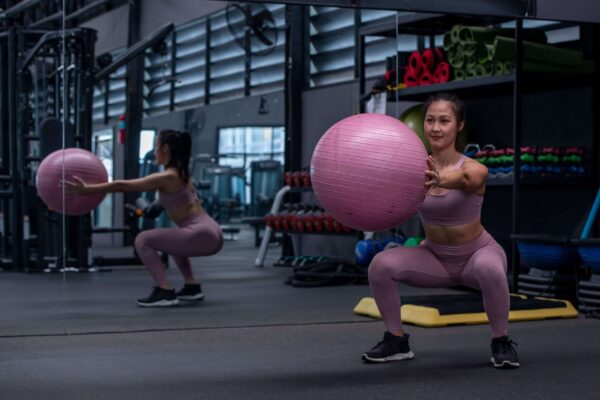
Crossfunctional fitness is a special fitness program that first became known in the early 2000s. Initially, this program was considered a particular philosophy of various physical exercises and competitive sports disciplines. The popularity of crossfunctional fitness is directly related to the successful combination of elements of high-intensity interval training (HIIT) with weightlifting, gymnastics, powerlifting, and other exercises. During training, athletes perform many effective exercises: squats, push-ups, weight lifting, and other variations. This review provides a more detailed look at the features of crossfunctional fitness and helps understand why an increasing number of people are choosing this training program.
The effectiveness of crossfunctional fitness
The effectiveness of organized training is primarily related to a special emphasis on load, speed, and distance. In the beginning, crossfunctional fitness received a lot of criticism due to the fact that this discipline leads to numerous sports injuries. But even such remarks did not affect the further growth of popularity, and today about 4 million people practice crossfunctional fitness, visiting 15,000 gyms located in 120 countries around the world.
This popularity and increased demand are due to the fact that crossfunctional fitness is considered beneficial for people from different age categories, regardless of their initial physical fitness. A separate list includes exercises and activities for people who need to develop balance, skills, and movement coordination. No less important elements of this sports discipline are the athletic and competitive spirit.
Why people continue to practice crossfunctional fitness: main reasons
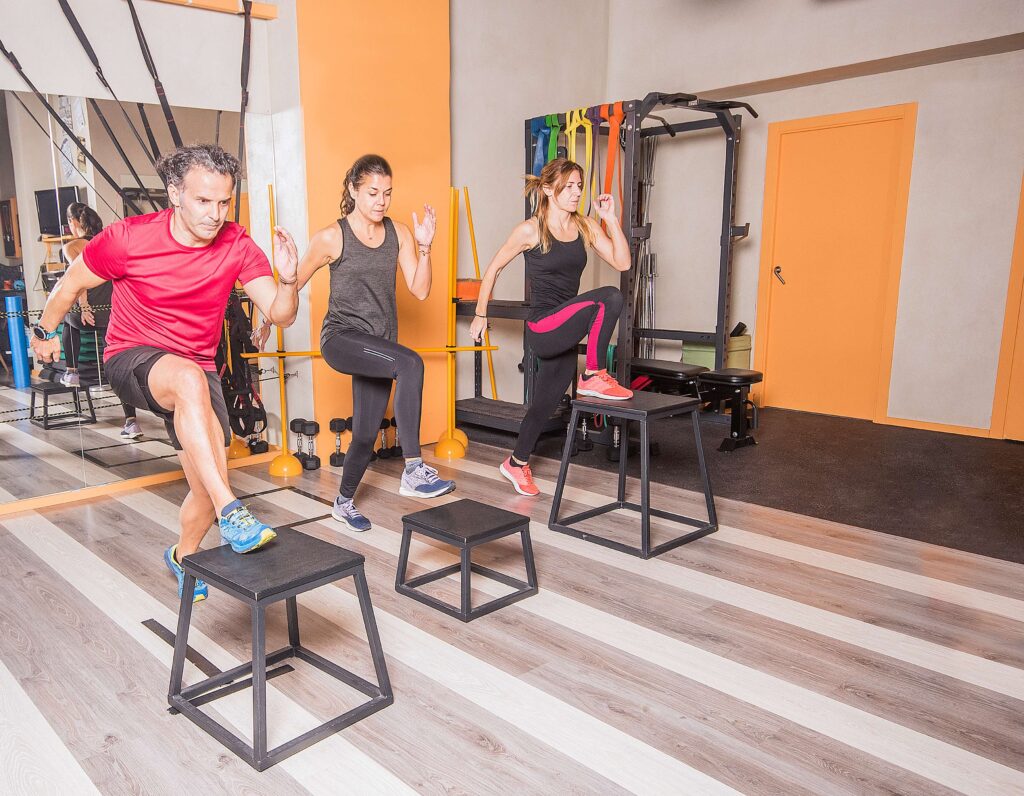
There are many reasons why athletes don’t give up crossfunctional fitness.
Among the most popular reasons are:
- Crossfunctional fitness helps combat high blood pressure. The founder and creator of this sports discipline, Greg Glassman, believes that high blood pressure is the result of an unhealthy lifestyle, and therefore this problem cannot be cured with medication. Proper nutrition and physical exercise are needed for this.
- Sense of belonging. While practicing crossfunctional fitness, many athletes experience a feeling of group unity. After all, training takes place in groups, in small gyms called “boxes.” Thus, all participants support and help each other, which is considered additional motivation for achieving new sports goals.
- Progress data. Each athlete has specific data that allows them to compare their own results with the results of other athletes, as well as with their past achievements. This approach helps assess the athlete’s growth.
Despite all the above reasons to practice crossfunctional fitness, one should not forget about the possible risks of injury. To minimize such risks, it is recommended to carefully monitor the technique of performing all exercises. For example, one should eliminate the likelihood of slouching, excessive forward knee displacement when performing squats and deadlifts. After all, slouching leads to significant stress on the muscles and ligaments in the lumbar region. If the knees regularly shift forward (knees should not shift beyond the line of the toes during squats), the risk of high stress on this area increases.
Is crossfunctional fitness losing its popularity over time?
All kinds of diets, complex training programs – all this leads to a very logical question: is crossfunctional fitness losing popularity over time? According to the results of consumer research on Google, one can safely conclude that crossfunctional fitness, on the contrary, demonstrates active growth compared to other equally well-known sports disciplines.
One of the main reasons for stable growth is universality. After all, absolutely everyone can practice crossfunctional fitness: from elderly people to more experienced athletes in their prime.
Another equally important reason is that crossfunctional fitness competitions are often broadcast on the most famous TV channels in different countries around the world.
During training, a huge amount of verbal motivation is used, thanks to which athletes manage to see things through and not give up. In addition, most people note that it is much easier for them to visit gyms when they have a clear schedule and their own group, which is their main motivation. Crossfunctional fitness offers people the opportunity to become part of a sports community, which increases athletes’ chances of achieving their own goals.
Compared to other workouts, crossfunctional fitness is primarily about saving your own time. After all, a training session lasts only 60 minutes and includes the necessary set of exercises.
Number of gyms for crossfunctional fitness
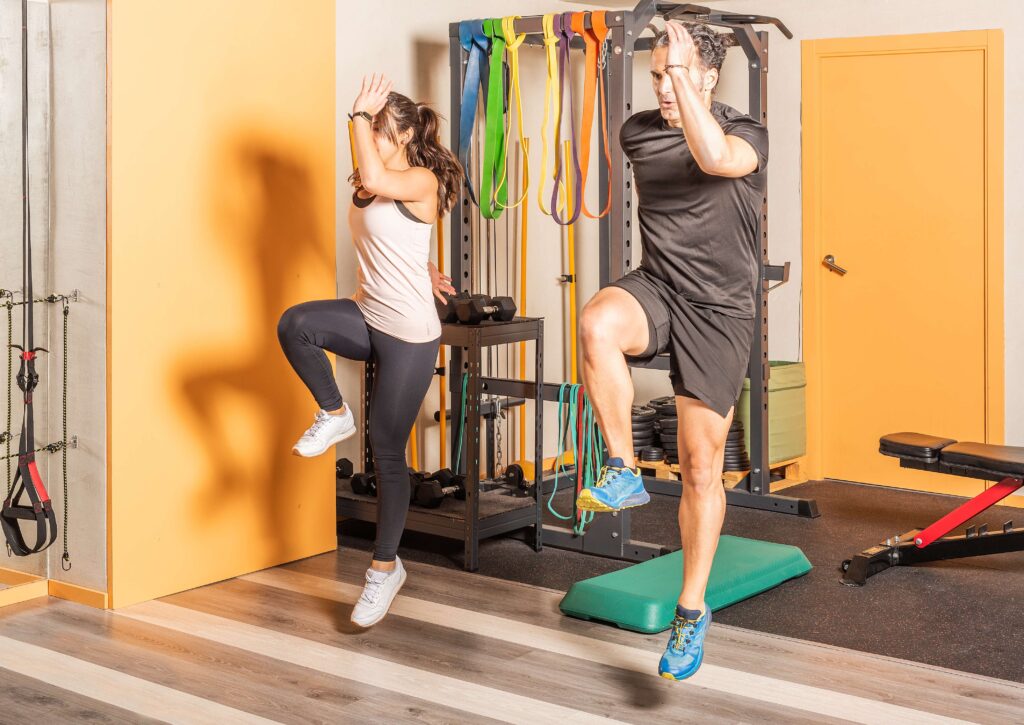
Most large fitness centers demonstrate relative stability, while crossfunctional fitness gyms prove explosive growth. In more than 120 countries around the world today, about 15,000 gyms are successfully operating, and approximately 7,000 of them are considered affiliated gyms.
Moreover, such gyms have a significant difference from standard fitness centers: there are no pools, saunas, steam rooms, treadmills, or other mechanical exercise equipment. In such gyms, there are enough barbells with plates, climbing ropes, gymnastic bars, and rings. Each participant receives maximum individual attention from professional trainers.
Comments are closed